


Views: 0 Author: Site Editor Publish Time: 2026-06-03 Origin: Site


The packaging and print industries face a massive transformation today. They are shifting rapidly toward short-run production, rapid prototyping, and heavy customization. E-commerce brands demand unique unboxing experiences continuously. This shift forces manufacturers everywhere to rethink their finishing workflows entirely. For decades, traditional die cutting offered unmatched rigid, high-volume efficiency. It dominated the golden age of mass production. Now, we must compare it against the tool-less, highly flexible agility of a Flatbed Digital Cutting Machine. This modern equipment changes the manufacturing rules fundamentally.
This article provides an objective, evidence-based evaluation framework. Production managers and business owners can use it to choose the right technology for their floors. You will learn how to evaluate volume metrics, setup times, and daily operational realities. We will explore material versatility thoroughly. By the end, you will understand exactly which machine aligns best for your specific production mix and scalability goals.
Volume dictates the choice: Traditional die cutting remains unmatched for high-volume, static runs (e.g., 10,000+ units), while digital flatbeds dominate short-to-medium runs (1 to 5,000 units).
Tooling costs are a major differentiator: A Flatbed Digital Cutting Machine eliminates physical die manufacturing, storage, and maintenance costs, drastically reducing setup times.
Material versatility favors digital: Digital cutters seamlessly switch between cutting, creasing, and routing across varied substrates (corrugated, foam, acrylic) using interchangeable tool heads.
ROI timelines vary by business model: Custom packaging and prototyping shops see faster ROI with digital, while massive-scale commercial printers rely on traditional mechanical presses for profitability.
Clients now demand faster turnarounds than ever before. They want highly personalized packaging solutions. They expect zero-inventory manufacturing models to reduce warehousing costs. These market pressures create intense bottlenecks in traditional finishing departments. You can no longer rely solely on mass production principles. Brands want custom shapes, seasonal packaging, and localized marketing campaigns. This fundamental shift breaks analog production models completely.
We must establish core metrics for this vital comparison. You need to track cost-per-unit across wildly different run lengths. You must measure setup and make-ready time accurately. Tooling expenses drastically impact short-run profitability today. Workflow flexibility determines how quickly you adapt to changing client files. Efficiency matters deeply.
The bottom line is straightforward. Do not ask which machine is objectively better. That is the wrong question. Instead, ask which machine aligns perfectly for your specific production mix. Scalability goals differ wildly between a boutique packaging house and a global folding carton plant. A custom sign shop has vastly different needs than a high-volume label converter. We will help you navigate these unique business profiles effectively.
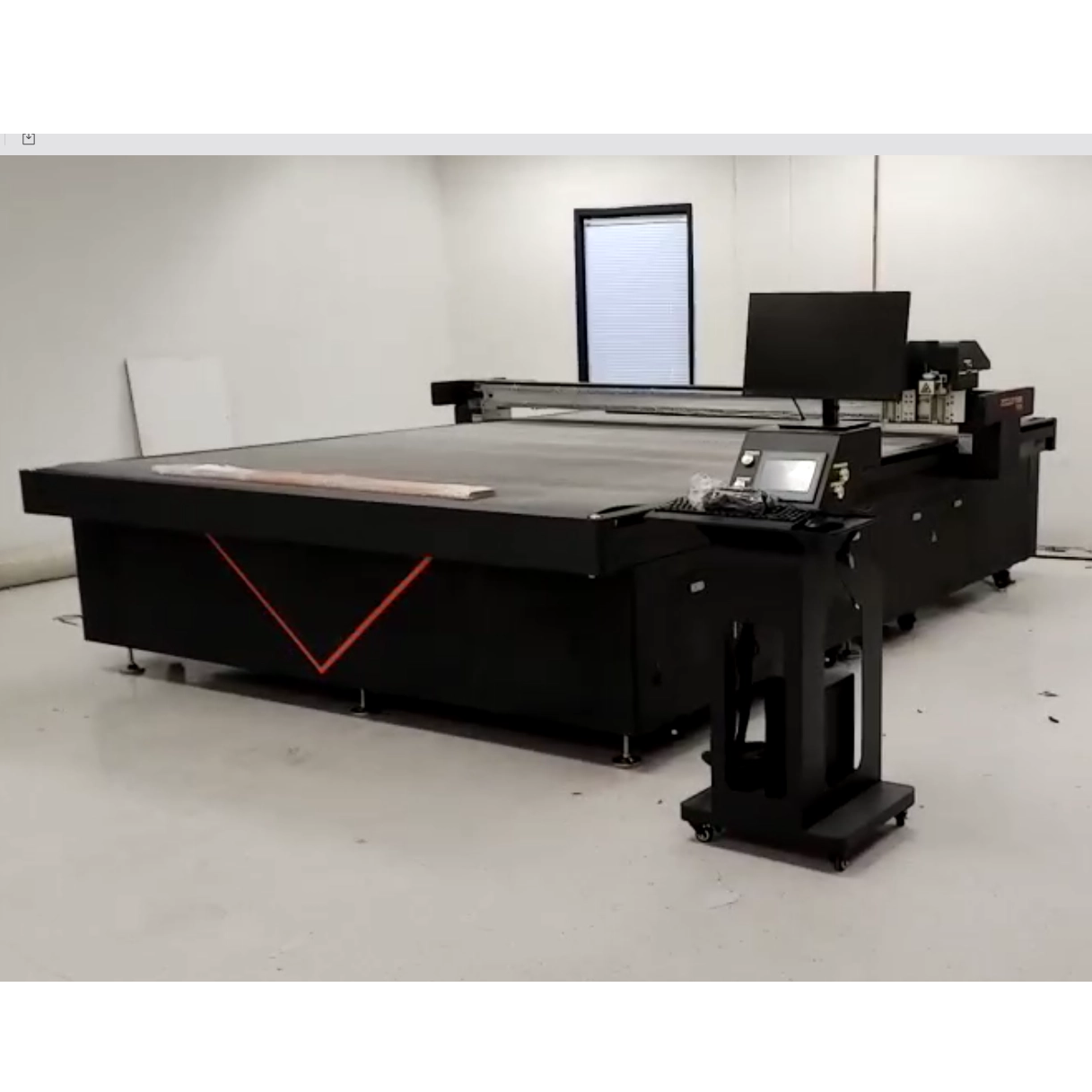
These sophisticated machines utilize Computer Numerically Controlled (CNC) systems. They drive multi-tool heads across a specialized moving gantry. You will typically find oscillating blades, drag knives, and powerful routers on these mounts. A heavy-duty industrial vacuum secures the substrate firmly onto the flatbed surface. This prevents any material shifting during rapid cutting phases.
The defining trait is a strictly 100 percent digital workflow. The system reads CAD or vector files directly from prepress computers. You need absolutely zero physical tooling. The machine interprets the digital lines and paths instantly. It then executes precise cuts, creases, and scores. A Flatbed Digital Cutting Machine offers supreme operational agility. Operators can change designs with a single mouse click.
This older technology relies on immense mechanical pressure. Operators use custom-fabricated steel rule dies. Craftsmen build these dies by embedding sharp metal blades into heavy wooden boards. These dies act like heavy-duty cookie cutters. They stamp down onto substrates forcefully. Rotary versions use heavy cylindrical dies for continuous web-fed materials.
The primary trait here is an entirely analog workflow. You must fabricate a physical die first. Operators handle intensely manual make-ready processes. They spend considerable time dialing in precise mechanical alignment. They patch low spots with tape to ensure even cutting pressure. Once properly aligned, the machine stamps sheets at blistering speeds. It operates as a masterclass in mechanical repetition.
Digital setups require near-zero physical preparation. Operators simply load the digital file into the system. They place the material onto the vacuum bed. The machine registers the printed crop marks optically. It eliminates the heavy cost of buying physical dies entirely. You also save money on shipping, repairing, and storing them safely. You do not need massive die-storage racks consuming expensive warehouse space. This makes digital finishing ideal for multi-SKU daily schedules.
Traditional methods carry high upfront tooling costs. Custom steel rule dies cost hundreds of dollars each. Make-ready times often span multiple hours. Operators must patch and shim the die meticulously. You must justify these heavy costs carefully. You can only amortize them over very large, continuous production runs. Small runs become wildly unprofitable due to high setup overhead.
Traditional systems deliver incredibly superior sheets-per-hour output. Once running smoothly, they are significantly faster. Long, uniform runs maximize this mechanical advantage beautifully. You can output tens of thousands of identical pieces rapidly. A traditional press can stamp multiple parts in a single, fraction-of-a-second stroke.
Digital cutters have a notably slower per-sheet cutting speed. A blade must physically travel along every single cut line. However, overall job completion is surprisingly faster for short runs. You avoid lengthy make-ready delays completely. You can finish a complete 500-piece custom run before a traditional die is even mounted on a mechanical press. Turnaround times drop from days to mere hours.
Digital machines boast exceptional, unmatched versatility. They handle thick, complex substrates easily. You can cut fragile foam, thick honeycomb board, and rigid acrylic sheets. You simply swap the tool head. Traditional dies often crush these thick materials disastrously. They simply cannot penetrate hard composites without breaking the steel rules.
Traditional presses remain highly efficient for thin substrates. They dominate standard folding cartons, paper labels, and thin plastics perfectly. They yield crisp, uniform results across hundreds of thousands of identical impressions. They handle standard paperboard masterfully.
Evaluation Metric | Flatbed Digital Cutting Machine | Traditional Die Cutting Machine |
|---|---|---|
Setup Time | Under 5 minutes (Digital file loading) | 1 to 4 hours (Physical make-ready) |
Tooling Cost | None (Relies entirely on CAD files) | High (Custom steel rule dies required) |
Production Speed | Moderate (Path-based CNC cutting) | Extremely Fast (Single-stroke stamping) |
Material Thickness | Up to 50mm+ (Foam, acrylic, wood) | Typically under 3mm (Paper, carton) |
Ideal Run Length | 1 to 5,000 units | 10,000+ units |
Evaluate the upfront hardware and software costs closely. A commercial Flatbed Digital Cutting Machine requires a moderate initial capital expenditure. Industrial traditional presses often demand even larger, massive capital investments. You must balance this hardware cost against your projected monthly volume.
Next, look deeply at ongoing consumables and maintenance requirements. Digital systems require regular, predictable blade changes. You must replace router bits periodically. Sacrificial cutting mats wear out over several months. However, these costs remain highly predictable and relatively low. Traditional systems require expensive steel rule die replacements constantly. Wood bases wear out over time. Mechanical presses demand intensive preventative maintenance routinely to prevent catastrophic failures.
Finally, assess labor and operator expertise critically. Digital workflows require specific software skills. Operators must understand prepress software fundamentally. They manipulate CAD files and manage digital workflows daily. Traditional workflows demand highly skilled mechanical operators. These craftsmen are becoming harder to find. They must excel at physical make-ready procedures. They adjust pressure tolerances manually and troubleshoot complex mechanical jams expertly.
You must address software and prepress integration first. Digital machines rely on proper RIP (Raster Image Processor) software. You must integrate CAD files smoothly into your current ERP system. Poor integration causes immediate file handling bottlenecks. It negates the speed advantage of digital finishing entirely. Ensure your design team understands digital pathing rules perfectly.
Consider your floor space and environmental factors seriously. Assess the physical machine footprint carefully. Digital flatbeds use powerful industrial vacuum pumps. These pumps generate noticeable acoustic noise in the workspace. You may need sound-dampening enclosures. You must also supply heavy-duty 3-phase electrical power. Plan your facility layout to accommodate these strict environmental requirements beforehand.
Change management presents the biggest hidden challenge. You must guide your workforce carefully through this transition. The learning curve feels steep initially. You are migrating mechanically trained operators to a modern, software-driven digital department. Provide ample, ongoing training. Focus heavily on software literacy, machine calibration, and digital file preparation.
We developed a clear framework to guide your final choice. Review your historical production data thoroughly. Let real data drive your equipment procurement strategy.
When to Choose a Flatbed Digital Cutting Machine:
Your average run length consistently falls under 5,000 units per job.
You process high volumes of rapid prototyping for demanding clients.
Your clients demand bespoke, highly customized packaging continuously.
You work heavily with rigid, thick, or highly variable substrates daily.
You lack the warehouse space to store thousands of physical wooden dies safely.
When to Stick with Traditional Die Cutting:
You consistently run identical jobs exceeding 10,000 units per order.
Your primary materials remain standard folding cartons or thin paperboards exclusively.
Absolute speed per unit ranks as your highest operational priority.
Your business model relies on low-margin, massive-volume commercial printing contracts.
Many growing, modern facilities choose both technologies. They maintain traditional presses for their legacy volume. They run massive, predictable jobs on these reliable mechanical workhorses. Simultaneously, they integrate a digital flatbed for rapid prototyping. They use it to absorb short-run overflow effortlessly. They route complex custom jobs to the digital cutter. This hybrid model maximizes total facility throughput. It prevents short, annoying jobs from tying up massive traditional presses.
A Flatbed Digital Cutting Machine represents a vital investment in agility. It empowers extreme customization and rapid turnarounds for modern print shops. Traditional die cutting represents a steadfast investment in pure scale. It masters high-volume, static repeatability perfectly. Both technologies possess distinct, undeniable strengths.
Base your final procurement decision on hard evidence. Audit your last twelve months of job tickets. Calculate your average run lengths accurately. Add up your physical die costs, storage fees, and mechanical setup delays carefully. You will likely uncover surprising trends in your production mix.
Take action today. Request a detailed time-study calculator from leading equipment manufacturers. Send complex test files directly to a vendor. Compare real-world digital cutting times against your current mechanical output. Let the numbers dictate your next major facility upgrade.
A: Rarely in high-volume manufacturing environments. Traditional presses still dominate massive static runs. However, complete replacement is entirely possible for custom sign shops or short-run packaging specialists. It depends heavily on your typical job size.
A: Blade lifespan varies significantly. It depends on substrate density, cutting speed, and tooling type. Cutting soft foam extends blade life. Routing dense acrylic degrades bits faster. Fortunately, these consumable costs remain highly predictable and relatively inexpensive.
A: No. Mechanical digital cutting does not scorch materials. CNC blades and physical routers slice through substrates cleanly. Laser cutters burn through materials, leaving characteristic darkened edges. Digital flatbeds eliminate this issue entirely, making them ideal for pristine graphics.
A: You typically need standard vector design software to create files. Adobe Illustrator and AutoCAD are industry standards. You also need proprietary machine control software, often called a RIP. This software translates vector paths into physical machine movements accurately.

