


Views: 0 Author: Site Editor Publish Time: 2026-03-03 Origin: Site


Die cutting is a technique widely used in various industries, such as arts and crafts, packaging, and even textiles, to cut precise shapes from different materials. Traditionally, die cutting required specialized machinery or manual tools to cut out these shapes. However, with the advent of modern technology, Digital Cutting Machines have revolutionized the way die cutting is done, offering greater precision, flexibility, and speed compared to traditional methods.
In this article, we’ll explore the process of die cutting, discuss how digital cutting machines enhance the cutting process, and provide a guide on how to achieve die cuts without a machine. By understanding both traditional methods and digital advancements, you can decide which technique works best for your needs.
Die cutting is a process used to cut shapes from a material using a die (a specialized blade or mold). While it is widely used in many industries, the basic concept remains the same: a die is used to shape materials like paper, foam, fabric, or plastic into specific shapes. The most common methods of die cutting are:
Manual Die Cutting: This is the traditional form of die cutting, where a manual press is used to apply force to a die, cutting through material.
Mechanical Die Cutting: This method involves machines that use mechanical force to cut through material. These are faster but still rely on molds to cut shapes.
Digital Die Cutting: In this method, digital cutting machines are used to cut shapes based on digital files, offering greater precision and customization.
Here, we’ll focus on how Digital Cutting Machines can be used in die cutting and how they improve the overall process. Digital cutting provides an automated, computer-controlled alternative to the traditional methods.
Digital Cutting Machines have become an essential tool in modern die cutting because of the speed, accuracy, and versatility they offer. Unlike traditional die cutting methods that require manual setups and the creation of expensive molds, Digital Cutting Machines use pre-programmed digital designs to automatically cut various materials, improving both efficiency and precision.
Feature | Benefit |
Precision | Cuts are incredibly precise, with minimal variation from the design. |
Customization | Allows for highly customizable designs without the need for molds. |
Speed | Faster than traditional die cutting methods, reducing production time. |
No Need for Dies | Eliminates the need for creating or maintaining costly die molds. |
Versatility | Can cut a wide range of materials, from foam and fabric to paper and vinyl. |
Digital cutting machines use vector-based software to create a digital path, and the machine follows that path exactly, ensuring accurate cuts every time. This can include intricate designs, precise shapes, and multi-layered cutting that is simply not possible with manual die cutting.
Manual die cutting is the traditional method of cutting materials using a die. A die is a metal mold that cuts shapes into materials when pressed under force. In manual die cutting, the die is placed on the material, and pressure is applied either by hand or through a machine. The material is then cut into the shape of the die.
While manual die cutting can produce quality results, there are several limitations to the process:
Inconsistency: The cuts may not be as precise as those made by digital machines.
Labor-Intensive: Requires significant effort, especially for intricate designs or large quantities.
Limited Complexity: Complex designs or multiple layers are difficult to cut manually.
Prepare the Die: Create or purchase a die that matches the shape you wish to cut.
Place the Material: Position the material onto the cutting surface.
Apply Pressure: Use a manual press or hand tools to apply pressure, cutting through the material.
Release the Material: Remove the cut shapes from the die.
Manual die cutting is great for basic, straightforward designs, but it becomes cumbersome when you need more precision, custom shapes, or faster production.
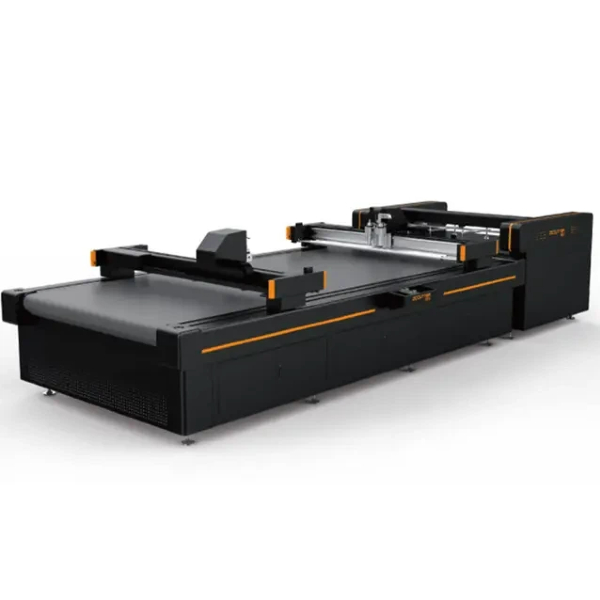
A Digital Cutting Machine is an advanced tool that uses computer-controlled blades or lasers to cut shapes from a variety of materials with extreme precision. The process begins with the design phase, where you create the desired shapes using specialized software, such as CAD (Computer-Aided Design) software. This design is then transferred to the cutting machine, which follows the programmed path to achieve accurate and consistent cuts.
Here is a step-by-step breakdown of how the process works:
Design the Cut Path: The first step is to create or import your design file into the digital cutting software. This software enables you to plan and visualize the cut path, ensuring accuracy in every detail. You can either create a new design or import an existing one from CAD or other compatible formats.
Set Material Parameters: Next, you need to select the material you’ll be cutting (such as paper, foam, plastic, or fabric) and adjust the machine settings accordingly. This includes factors like cutting speed, pressure, and depth. These parameters are crucial for ensuring the cuts are clean and precise, tailored to the material type.
Send the File to the Machine: Once the design and parameters are set, the digital file is sent to the machine. The cutting machine is equipped with various tools, such as blades, rotary cutters, or lasers, that will be used to execute the cuts. The file contains all the necessary data for the machine to perform the cutting process.
Cut the Design: The machine follows the designated path outlined in the design file. It automatically adjusts as needed, making intricate and precise cuts based on the programmed design. Some machines can even handle multi-layer cuts or various material thicknesses simultaneously.
Retrieve the Cut Material: After the machine completes the cutting process, the finished shapes or components are ready for use. Whether it’s for packaging, manufacturing, or custom designs, the cut pieces are ready to be taken out and utilized immediately.
Digital cutting machines excel at handling complex cuts and intricate designs with ease. Features like automatic material recognition, adjustment, and tool changes not only improve efficiency but also minimize the potential for human error, making them an invaluable tool in various industries.
Digital Cutting Machines are versatile and can cut a wide variety of materials, making them ideal for many industries. Here is a list of materials commonly cut with digital machines:
Material | Application |
Foam | Used in packaging, insulation, and custom designs. |
Paper | Ideal for scrapbooking, cards, and packaging. |
Vinyl | Used for stickers, decals, and signage. |
Fabric | Perfect for custom clothing, quilting, and upholstery. |
Leather | Common in fashion and automotive upholstery. |
Cardboard | Perfect for packaging and mock-ups. |
By adjusting the settings on the Digital Cutting Machine, you can easily cut through soft materials like fabric or foam, as well as harder materials like cardboard or leather. This wide range of capabilities is a major advantage of digital cutting over traditional methods.
One of the main reasons businesses are opting for Digital Cutting Machines is the increase in efficiency and accuracy. Unlike manual die cutting, which can lead to inconsistent cuts, digital machines follow precise paths, resulting in uniform, accurate cuts every time.
Setting up a digital cutting machine is significantly quicker than creating custom dies for every design. No molds need to be prepared or maintained, and the machine can easily switch between different designs by simply uploading new files.
While manual die cutting requires a new die for each design, Digital Cutting Machines allow for endless customization without additional setup costs. If a design needs to be altered or adjusted, it can be done instantly in the software, which eliminates the need for retooling.
While Digital Cutting Machines make die cutting much easier, you might still need to manually cut designs for some projects. Here are a few tips for getting the best results without a machine:
Use Stencils: Stencils are a great alternative when you don’t have access to a digital cutter. Simply trace the stencil design onto your material and cut carefully with scissors or craft knives.
Hand Cutting Tools: Invest in high-quality cutting tools such as craft knives, scissors, and rotary cutters for cleaner edges.
Choose the Right Material: For easy hand-cutting, select softer materials like paper or foam that can be cut with minimal effort.
Whether you’re working with paper, foam, vinyl, or fabric, Digital Cutting Machines provide an efficient, precise, and highly customizable solution for all your die-cutting needs. While traditional die-cutting methods are still applicable in some scenarios, Digital Cutting Machines have quickly become the preferred choice for industries that require high-quality, large-scale production. By adopting this advanced cutting technology, businesses can significantly boost productivity, enhance product quality, and stay ahead of the competition.
For businesses seeking reliable, high-performance digital cutting equipment, ZCCUTTER offers cutting-edge solutions tailored to meet diverse industry needs. With their innovative range of Digital Cutting Machines, ZCCUTTER can help you achieve the precision and efficiency required to take your production to the next level.
To learn more about how ZCCUTTER can elevate your cutting operations, explore their website or contact their team today for personalized advice and support. Invest in the future of cutting technology with ZCCUTTER and unlock the full potential of your production processes.
Yes, you can manually cut die shapes using hand tools like craft knives or scissors, but digital machines provide more precision and speed.
Materials like cardstock, thin foam, and fabric work best when hand-cut. Thicker materials might be challenging to cut cleanly by hand.
A Digital Cutting Machine uses software to design cutting paths, and the machine follows those paths using a blade or laser to cut materials.
Manual die cutting can achieve reasonable precision but is often inconsistent, especially for complex or large-scale projects. Digital cutters are more reliable.
Yes, many Digital Cutting Machines are capable of cutting multiple layers at once, depending on the material thickness and machine specifications.

