


Views: 0 Author: Site Editor Publish Time: 2026-03-24 Origin: Site


Die cutting machines have become an integral part of many industries, transforming the way products are designed and manufactured. Traditionally, die cutting machines were used for cutting materials like paper, fabric, and plastic into various shapes. These machines have evolved over time, with digital cutting machines offering a new level of precision, speed, and customization.
In this article, we will explore what a die cutting machine is, how it works, the different types available, the advantages of digital cutting, and where they are most commonly used. Whether you're looking to invest in a machine for your business or are simply curious about its applications, this guide will help you understand the technology behind these versatile tools.
A die cutting machine is a mechanical device that cuts materials into specific shapes using a die. The basic process involves a press that applies force to a die, which contains the shape to be cut, and a material placed underneath it. In traditional die cutting, the machine requires manual adjustments to align the die and material properly.
However, with the advent of digital cutting machines, the process has become more automated, precise, and flexible. Digital cutting uses computer-controlled software to direct the cutting tool along the predetermined path, which enhances the overall accuracy of the cut. This technology also eliminates the need for physical dies, making it suitable for short runs and rapid prototyping.
Feature | Digital Cutting Machine | Traditional Die Cutting Machine |
Automation | Fully automated, controlled by software | Requires manual die setup |
Precision | High precision due to computer control | Moderate, based on die quality |
Material Flexibility | Cuts a wide variety of materials | Limited to specific materials |
Production Volume | Ideal for small to medium runs | Best for large-scale production |
Setup Time | Quick, minimal setup time | Long setup time due to die preparation |
There are several types of die cutting machines, each with specific advantages and uses. The choice of machine depends on the intended application, production volume, and material types.
Manual die cutting machines are operated by hand and are commonly used in crafting and smaller-scale operations. They are affordable and simple to use, but they lack the efficiency and precision of more advanced machines. Manual die cutters are ideal for hobbyists and small businesses.
Digital cutting machines use computer-controlled systems to create precise cuts. These machines are capable of handling intricate designs, multiple materials, and faster production times, making them suitable for a wide range of industries from packaging to textiles.
Rotary die cutting machines use a cylindrical die to cut materials as they move through the machine. They are well-suited for high-speed production and are often used for continuous rolls of materials, such as in the production of labels or packaging.
Flatbed die cutters are stationary, with a flat surface where the material is placed. The die is applied through a mechanical press. This type of machine is typically used for cutting thicker materials like cardboard and foam, providing more precise and reliable cuts.
When comparing digital cutting machines to traditional die cutters, the benefits are clear. Digital cutting machines offer more precision, versatility, and efficiency, especially for businesses that require flexibility and high-quality output.
Digital cutting machines are driven by software, which means that the cuts are made with millimeter accuracy. Whether cutting paper, fabric, or plastic, digital machines can follow intricate designs with high precision, reducing the likelihood of errors or defects in the final product.
Unlike traditional die cutting, which requires the preparation of physical dies, digital cutting machines can quickly process materials and change settings through the software. This leads to a reduction in setup time and faster turnaround times for production.
One of the key advantages of digital cutting is its ability to reduce material waste. Since digital cutters can work with precision and produce highly efficient cuts, less material is wasted during production. This is particularly beneficial for businesses that use expensive or limited materials.
With digital cutting machines, businesses have the ability to quickly adapt designs, customize products, and respond to customer requests. Whether creating prototypes, short-run designs, or personalized products, digital cutting allows for flexible production without the need for retooling or costly setup.
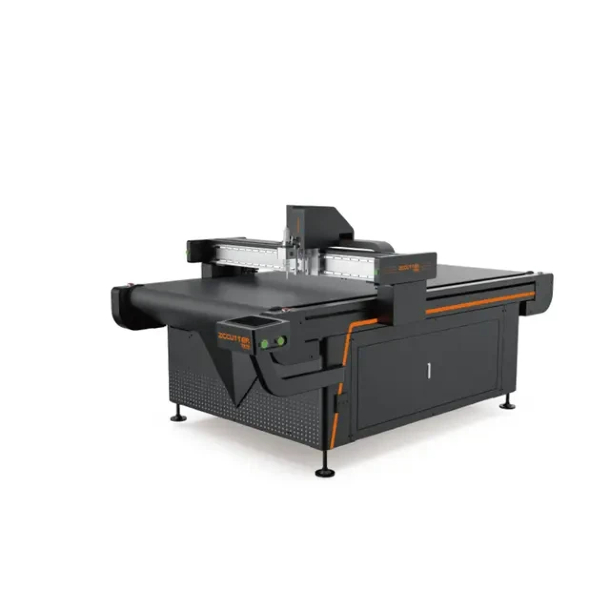
Die cutting machines are used across many industries for various applications. Below are some of the most common industries that benefit from die cutting technology.
Die cutting machines are widely used in the packaging industry to produce custom packaging materials like boxes, cartons, and labels. Digital cutting machines enhance the flexibility of packaging design, allowing manufacturers to quickly prototype and create unique packaging solutions.
In the textile industry, die cutting machines are used to cut fabrics, leather, and other materials. Digital cutting machines allow for intricate and precise cuts, ensuring that textiles are cut to the required shape with minimal waste.
The printing industry uses die cutting to create special shapes, custom designs, and intricate patterns on paper, cardboard, and other substrates. Digital cutting machines enable high precision and the ability to work with complex designs that traditional methods may struggle to handle.
In the crafting industry, die cutting has become a favorite method for creating custom cards, scrapbooks, and other DIY products. Digital cutting machines offer a wide range of templates and design possibilities for hobbyists and small businesses to create high-quality projects with minimal effort.
When selecting a die cutting machine, it is essential to consider several factors such as the types of materials you’ll be cutting, production volumes, and the complexity of designs. Here's a guide to help you make the right choice:
Factor | Digital Cutting Machine | Traditional Die Cutting Machine |
Material Types | Wide range of materials, including paper, fabric, plastic, foam, and more | Limited material compatibility |
Production Volume | Best for small to medium runs | Ideal for mass production |
Design Complexity | Can handle intricate and detailed designs | Best for simple and straightforward designs |
Cost | Higher initial investment, but cost-effective for low to medium volume | Lower initial investment, but higher cost per unit for small volumes |
Digital cutting technology has made significant strides, with continuous improvements in both hardware and software. Here are some of the latest advancements in the field:
The integration of artificial intelligence and automation into digital cutting machines has revolutionized the industry. These systems can now automatically adjust cutting paths, optimize material usage, and even predict maintenance needs based on data analytics.
Modern software for digital cutting machines offers more features, such as 3D visualization, real-time monitoring, and advanced design tools. These software upgrades provide users with greater control over the cutting process and better results.
With the rise of Industry 4.0, digital cutting machines are now part of smarter manufacturing systems. Machines can now communicate with each other, share data, and integrate seamlessly into the wider production line for increased efficiency and cost-effectiveness.
In conclusion, digital cutting machines have revolutionized the die cutting industry by offering unmatched precision, efficiency, and flexibility. Whether you're looking to enhance your packaging, textile production, or craft projects, investing in a digital cutting machine can significantly streamline your operations and reduce costs. With advancements in automation, AI integration, and cutting software, these machines are poised to offer even greater benefits in the future.
If you're interested in learning more about digital cutting machines or need assistance in selecting the right machine for your specific needs, we at ZCCUTTER are here to help. Our team provides expert guidance, tailored solutions, and high-quality machines to meet your business requirements. Feel free to reach out to us today to explore how our cutting-edge technology can elevate your production process.
A die cutting machine can cut a wide variety of materials, including paper, cardstock, vinyl, fabric, leather, plastic, rubber, and foam, among others. The choice of material depends on the type of die cutting machine being used and its capabilities.
Manual die cutting machines require physical dies and manual operation, while digital die cutting machines are controlled by computer software, offering higher precision, faster setup, and more flexibility in design.
A digital cutting machine uses computer-controlled software to follow precise cutting paths, resulting in highly accurate cuts. This eliminates the variability of manual handling and ensures consistent results across large production runs.
Die cutting machines are ideal for high-volume production, particularly traditional die cutting machines. Digital cutting machines are better suited for smaller runs, prototypes, or intricate designs, although advancements have made them viable for medium-volume production as well.
Yes, digital cutting machines are particularly advantageous for small to medium-sized runs, while traditional die cutting machines excel in large-volume productions due to their efficiency in handling repetitive tasks.

