


Views: 0 Author: Site Editor Publish Time: 2026-03-31 Origin: Site


Cutting machines have become an essential part of modern manufacturing processes across various industries. The need for precision, speed, and efficiency has pushed businesses to adopt advanced cutting technologies that can meet the growing demands of today’s market. Traditional cutting methods often fall short when it comes to accuracy and automation, leading to longer production times and greater material waste.
In contrast, Digital Cutting Machines are revolutionizing the cutting process. These machines not only provide high precision and speed but also offer flexibility in the types of materials that can be processed. As businesses strive to improve operational efficiency, Digital Cutting Machines have emerged as the best choice for industries ranging from packaging to electronics and automotive manufacturing.
A Digital Cutting Machine is a highly advanced piece of equipment that uses computer-controlled technology to automate the cutting process. Unlike traditional cutting tools, which require manual operation or mechanical adjustments, Digital Cutting Machines operate via software that controls the cutting path, speed, and pressure. These machines utilize a variety of tools such as rotary blades, laser cutters, and even water jets, depending on the material and the complexity of the cuts required.
The process begins with creating a digital design, typically through CAD (Computer-Aided Design) software. The design is then transferred to the cutting machine via a computer interface. The machine uses precise control to execute the cut according to the design, ensuring minimal error and high consistency.
These machines often feature:
High-speed motors for fast cutting.
Sensors that automatically adjust for material thickness and position.
Tooling systems that can handle various materials and cutting tasks, such as engraving or perforating.
Digital cutting machines are used in a variety of industries, ranging from packaging, automotive, and textiles, to electronics and aerospace. The versatility and efficiency of these machines make them an indispensable tool for modern production.
The rise of Digital Cutting Machines has brought significant advancements in various sectors. Here are some of the major advantages they offer over traditional methods:
One of the key advantages of Digital Cutting Machines is their ability to achieve extremely high precision. Modern machines can cut materials down to fractions of a millimeter, reducing errors and ensuring perfect consistency in every batch. This level of accuracy is crucial in industries such as electronics, where even the smallest mistake can lead to product failure.
Digital Cutting Machines operate at high speeds, enabling faster production cycles. The automation process means that cuts can be completed quicker, allowing manufacturers to meet tight deadlines and keep up with high-demand periods.
These machines are capable of cutting a wide range of materials including:
Flexible materials (paper, textiles, foam).
Rigid materials (plastics, metals, composites).
Delicate materials (electronics, thin films).
This versatility makes them suitable for various applications, offering businesses the flexibility to adjust their production lines based on market demands.
Since the cuts are highly precise, there is little to no waste when using Digital Cutting Machines. The software optimizes the cutting path to minimize material consumption, which leads to cost savings and better resource management.
The ability to automate the cutting process means that manufacturers can reduce the need for manual labor. Additionally, Digital Cutting Machines can be integrated with other automated systems, allowing for seamless operations across production lines.
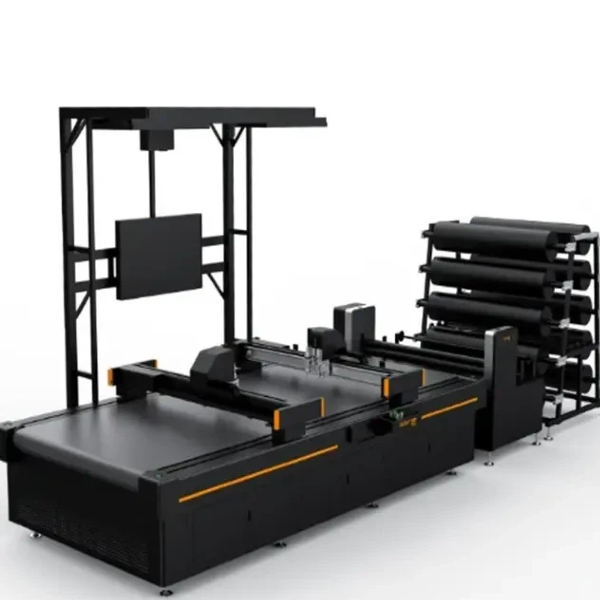
When selecting a Digital Cutting Machine, it is important to understand the various features that set these machines apart from traditional models. The following are some key features:
The tooling system in Digital Cutting Machines is automatically adjusted based on the material and cutting task. This automation reduces the need for manual tool changes, thus improving efficiency and cutting consistency.
These machines typically come with integrated software, allowing operators to design cuts, set parameters, and monitor performance from a computer. The software is crucial for optimizing the cutting path, material usage, and machine performance.
Many modern Digital Cutting Machines feature real-time monitoring capabilities, allowing operators to track the machine’s performance and make adjustments on the fly. This helps in reducing downtime and improving overall productivity.
The versatility of these machines extends to their ability to cut a variety of materials in a single production run. With adjustable settings, they can handle different material types and thicknesses with ease.
The use of high-speed motors ensures that cuts are made quickly without compromising accuracy. This is particularly useful in industries that require high-volume production.
Digital Cutting Machines are making a significant impact across several industries. Here are some of the major sectors that benefit from this technology:
In the packaging industry, Digital Cutting Machines are used to cut boxes, labels, and other packaging materials with high precision. The flexibility of these machines allows for custom shapes and sizes, which is ideal for personalized packaging.
Digital Cutting Machines are ideal for cutting fabrics and textiles used in fashion, upholstery, and other fabric-based applications. The machines provide precise cuts for intricate designs, reducing fabric waste and speeding up the production process.
In the automotive industry, Digital Cutting Machines are used for cutting materials like rubber seals, gaskets, and even components for interiors. These machines help in producing parts with high precision, which is critical for automotive manufacturing.
In electronics, Digital Cutting Machines are used for cutting thin films, adhesive tapes, and protective membranes. Precision is key here, as even a slight deviation can lead to product malfunction.
Selecting the right Digital Cutting Machine for your business depends on various factors. Here is a guide to help you make the best choice:
Different Digital Cutting Machines are suited for different materials. Determine the primary materials you will be cutting and ensure that the machine you choose can handle them efficiently.
Consider the level of precision required for your tasks. Some applications, such as those in electronics, may demand high precision, while others, like packaging, may allow for slightly less accuracy.
If your production demands high-speed cutting, ensure that the machine can meet these needs. Also, consider the volume of production – some machines are better suited for high-volume, continuous runs.
Evaluate the space available in your facility and the budget you have allocated for purchasing the machine. Some Digital Cutting Machines are larger and more expensive, while others are compact and cost-effective.
Look for machines with low maintenance needs and a reliable support system. This will ensure that your operations remain smooth without long downtimes.
Digital Cutting Machines are applied in a variety of real-world scenarios, enhancing productivity and reducing waste across industries. These machines excel in producing customized parts, cutting through complex designs, and ensuring high-quality results.
Here is a table summarizing some of the typical applications and materials used:
Industry | Materials Used | Applications |
Packaging | Paper, Cardboard, Foam | Custom boxes, corrugated packaging, flexible labels |
Textiles | Fabrics, Textiles | Apparel, Upholstery, Home textiles |
Automotive | Rubber, Foam, Plastics | Seals, Gaskets, Insulation materials, Interior components |
Electronics | Thin Films, Adhesive Tapes | Screen protectors, Electronics enclosures, Microcomponents |
In summary, Digital Cutting Machines provide unparalleled precision, flexibility, and speed, making them the preferred choice for industries across the board. Their ability to efficiently handle a wide variety of materials while minimizing waste distinguishes them from traditional cutting methods. With advanced features like automated control, real-time monitoring, and seamless integration, these machines are revolutionizing production lines and helping businesses maintain a competitive edge in the market.
At ZCCUTTER, we specialize in offering cutting-edge Digital Cutting Machines that deliver exceptional performance and reliability. Whether you're looking to enhance production efficiency, reduce waste, or improve material handling flexibility, our solutions are tailored to meet your specific needs. Reach out to us today to learn more about how our advanced cutting technology can transform your operations and take your business to the next level. Let us help you stay ahead in the ever-evolving manufacturing landscape.
Digital Cutting Machines can cut a variety of materials, including paper, cardboard, foam, textiles, plastics, metals, and composites.
Modern Digital Cutting Machines offer cutting precision as fine as 0.1mm, depending on the machine and material.
Key industries include packaging, textiles, automotive, aerospace, electronics, and more.
Unlike traditional machines, Digital Cutting Machines are automated, precise, and capable of handling various materials with minimal waste and downtime.
Yes, these machines are designed for easy maintenance with self-diagnostic features and minimal manual intervention required.

